
Systems
Asset and Fleet Software That Knows When Things Need Fixing
Track assets, vehicles and maintenance schedules in one system, so nothing fails unexpectedly and expensively.
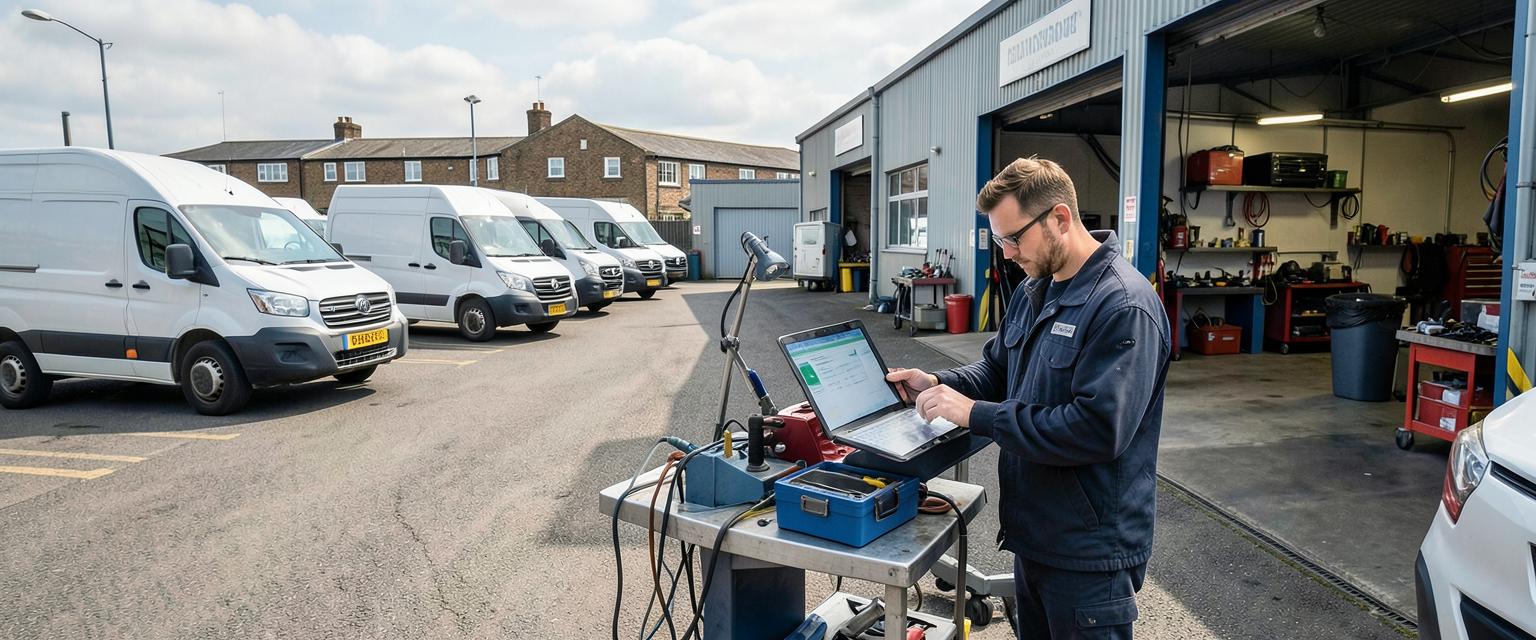
An asset that fails without warning always costs more than one that's maintained on schedule. We build asset, fleet and maintenance management software that tracks condition, location, servicing history and compliance requirements in one place, with automated alerts before things go wrong rather than mournful reports after they have. Whether it's a fleet of vans, industrial machinery or a building full of equipment, we build the system around your assets, not a generic template designed for someone else's fleet.
Features and benefits
What you get

Centralised asset register
Every asset, its location, condition and history recorded in one place.
Automated maintenance scheduling
Servicing and inspection alerts triggered automatically, before failure, not after.

Fleet tracking and management
Vehicle location, mileage, servicing and compliance tracked together.

Compliance and certification tracking
MOT, servicing and statutory inspection deadlines tracked and flagged automatically.

Cost and depreciation reporting
Track total cost of ownership and depreciation across your entire asset base.
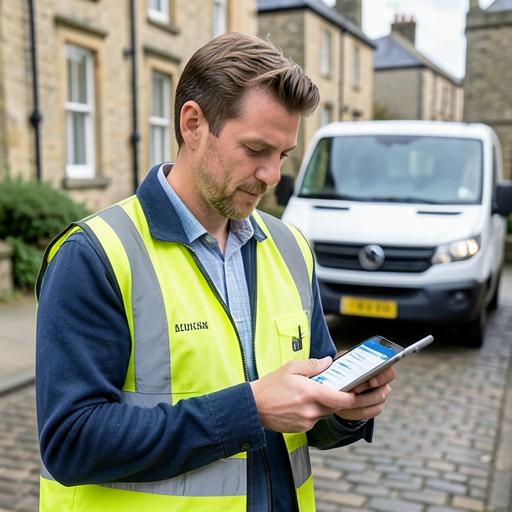
Mobile access for engineers
Field engineers can log inspections and maintenance from a phone or tablet on site.
Expert insight
Why reactive maintenance always costs more
Fixing things after they break is always more expensive than maintaining them properly, whether that's a delivery van, a production line, or a building's plant equipment. The problem is that without a proper system, maintenance schedules live in someone's head, a wall planner, or nowhere at all.
We build asset and fleet management systems that track condition, servicing history and compliance deadlines automatically, flagging what needs attention before it becomes an expensive breakdown or a failed inspection. That includes statutory requirements like MOTs and safety certifications, which are easy to miss when they're tracked manually across a large fleet or asset base.
The result is fewer unplanned failures, better budgeting for replacement and maintenance costs, and a much clearer picture of what your assets are actually costing you over their lifetime.
How we do it
Six steps to implementation
- 01
Asset and fleet audit
We catalogue what you have, its condition, and current maintenance practices.
- 02
Compliance requirements mapping
Statutory inspection, MOT and certification requirements identified and built in.
- 03
System design
A structure built around your asset types, sites and maintenance workflows.
- 04
Build and configuration
The platform is configured to match your servicing schedules and reporting needs.
- 05
Data migration
Existing asset and maintenance records migrated into the new system.
- 06
Go live and support
Full rollout plus ongoing UK-based support as your asset base changes.
25+
Years building business software
1000s
Assets tracked
UK-wide
Clients supported
Questions
Frequently asked
Can it track vehicle MOT and servicing deadlines?+
Yes, statutory MOT and servicing deadlines are tracked and flagged automatically within the asset and fleet management system, so nothing gets missed through a forgotten spreadsheet. Alerts are raised with enough lead time to book work in without disrupting operations. That keeps vehicles compliant and reduces the risk of running an unroadworthy vehicle.
Does it work for both fleet and fixed assets?+
Yes, the same asset and fleet management system can handle vehicles, machinery and fixed assets together or as separate categories, depending on how your UK business is structured. That gives one consistent view of everything you own, or separate reporting where it makes more sense. Either way, tracking, maintenance and costs are managed in a single place.
Can engineers log maintenance from the field?+
Yes, mobile access lets engineers log inspections, servicing and repair work directly from site, updating the asset and fleet management system in real time. That removes paperwork and delays getting information back to the office. Records stay accurate and up to date, even for assets that rarely see a desk.
Does it help with compliance reporting?+
Yes, compliance and certification tracking is built into the asset and fleet management system as standard, covering inspections, servicing history and required documentation. That makes audits and regulatory checks far less stressful, since evidence is already recorded rather than chased up afterwards. It also flags upcoming renewals before they lapse.
Can it report on total cost of ownership?+
Yes, cost and depreciation reporting across your entire asset base is included, giving a clear view of total cost of ownership rather than just purchase price. That helps with decisions on repair versus replace, and budgeting for future fleet or equipment investment. It turns asset and fleet management from a tracking exercise into a genuine financial tool.