
Claris FileMaker
Legacy FileMaker Systems, Rescued
Inherited an ageing FileMaker system nobody understands? We've seen worse, and we can fix it.
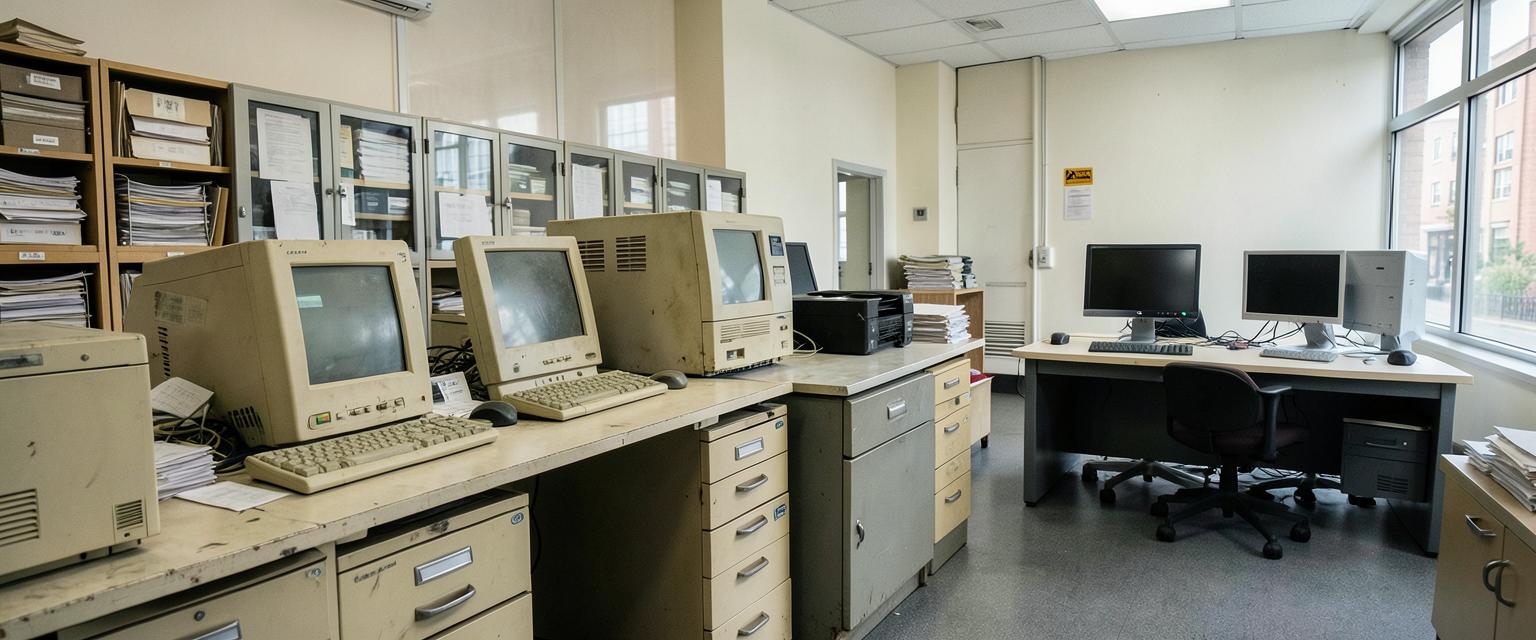
Every business has one: a FileMaker system built years ago by someone who's long since left, held together by scripts nobody dares edit, running on a version so old it barely gets mentioned in polite company. We specialise in rescuing exactly this sort of system, working out what it actually does, documenting it properly, and bringing it up to a version and standard that won't collapse the next time someone sneezes near it. From Bicester we've done this for businesses across the UK for over 25 years, and there's very little that surprises us anymore. Under-promising and over-delivering matters especially here, because trust has usually already been damaged by whatever came before.
Features and benefits
What you get

Full system audit
We work through the existing solution methodically and document what it actually does, not what anyone assumes it does.
No unnecessary rebuilds
We keep what works and fix what doesn't, rather than starting again from scratch for the sake of it.
Security brought up to date
Old systems often carry old vulnerabilities. We close the gaps that have been quietly sitting there for years.

Compatible with current FileMaker versions
We move the solution onto a supported version so it stops being a ticking time bomb.
Documentation, finally
We produce proper documentation so the next person who touches this system isn't starting from zero.

Continuity, not disruption
We keep the system running throughout the process. Nobody's left without their database for a fortnight.
Expert insight
The real cost of leaving a legacy system alone
The instinct with an old system that's 'still working' is to leave it alone, on the basis that fixing it might break it further. Understandable, but it's a bit like ignoring a strange noise from your car engine. It won't fix itself, and the eventual failure tends to arrive at the worst possible moment.
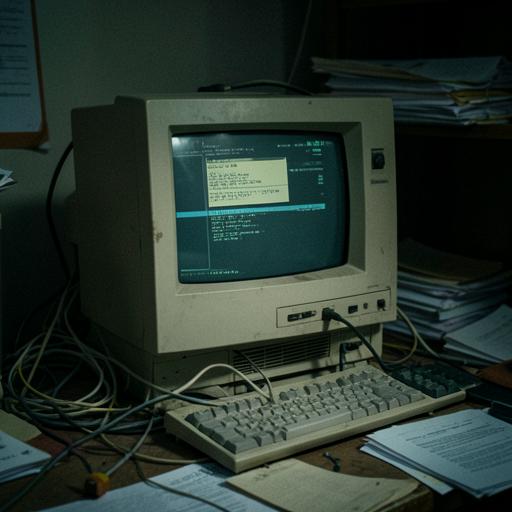
Old FileMaker files often carry accumulated risk: unsupported versions, unpatched security holes, and logic that only one former employee ever understood. None of that shows up on a balance sheet until the day it becomes an emergency.
The good news is that FileMaker legacy systems are almost always salvageable. Rarely does the whole thing need scrapping. Usually it needs someone patient enough to work out what's actually there, fix the fragile parts, and bring it up to a version that's still supported.
How we do it
Six steps to implementation
- 01
Initial audit
We examine the existing solution, its scripts, its data structure, and its dependencies, before touching anything.
- 02
Risk assessment
We identify security gaps, unsupported components and fragile logic that pose the biggest immediate risk.
- 03
Stabilisation
We fix the most urgent issues first, so the system stops being a daily source of anxiety.
- 04
Modernisation
We update the solution to run cleanly on a current, supported version of FileMaker.
- 05
Documentation
We write down what the system does and how, so future changes don't require archaeology.
- 06
Handover and support
We hand the system back in a state anyone competent could maintain, and stay on hand for what comes next.
25+
Years rescuing legacy systems
100+
Systems audited and modernised
UK-wide
Client coverage
Questions
Frequently asked
Our system has no documentation at all. Is that a problem?+
It's extremely common, and it's exactly the sort of job we do as part of our wider Claris FileMaker development work. We work out what a legacy system actually does directly from the file itself, its scripts, its data structure and its layouts, rather than relying on notes that were never written. Once we understand it properly, we produce documentation so the next person doesn't have to repeat that archaeology. Undocumented systems are the norm in this line of work, not the exception.
Will we lose our data during the rescue?+
No, we work from copies and properly tested backups throughout the entire process, and never touch your live system without a safety net in place. That means your team can keep working normally while we audit, fix and modernise behind the scenes. Only once everything's been tested thoroughly does the updated solution replace the live one. It's a deliberately cautious approach, because legacy data is usually the most valuable thing in the whole system.
Is it cheaper to just start again?+
Rarely. Most of the value in an old FileMaker system is the accumulated logic and data built up over years, which a full rebuild would simply throw away. It's almost always more cost-effective to audit, stabilise and modernise what exists than to recreate years of refined business logic from a blank canvas. We'll tell you honestly if a rebuild genuinely makes more sense, but that's the exception rather than the default answer. Most legacy systems are salvageable with the right approach.
How old a system can you work with?+
We've worked on files going back many FileMaker versions, and age on its own is almost never the blocker. What actually determines the effort involved is how the solution was structured and how well, or badly, it was documented along the way. A well-built older file can be more straightforward to modernise than a recent one built in a rush. Send it over and we'll give you an honest assessment before committing to anything.
Do you work with businesses outside Oxfordshire?+
Yes, legacy system rescues are one of the most common reasons clients across the UK get in touch with us. Being based in Bicester doesn't limit where we work, and the majority of legacy rescue projects are handled remotely from start to finish. Whether you're in Oxfordshire or considerably further afield, the same careful audit-and-modernise process applies. Distance has never been the deciding factor in whether we can help.