
Claris FileMaker
Bespoke Claris FileMaker Development
We build FileMaker solutions that fit your business, not the other way round.
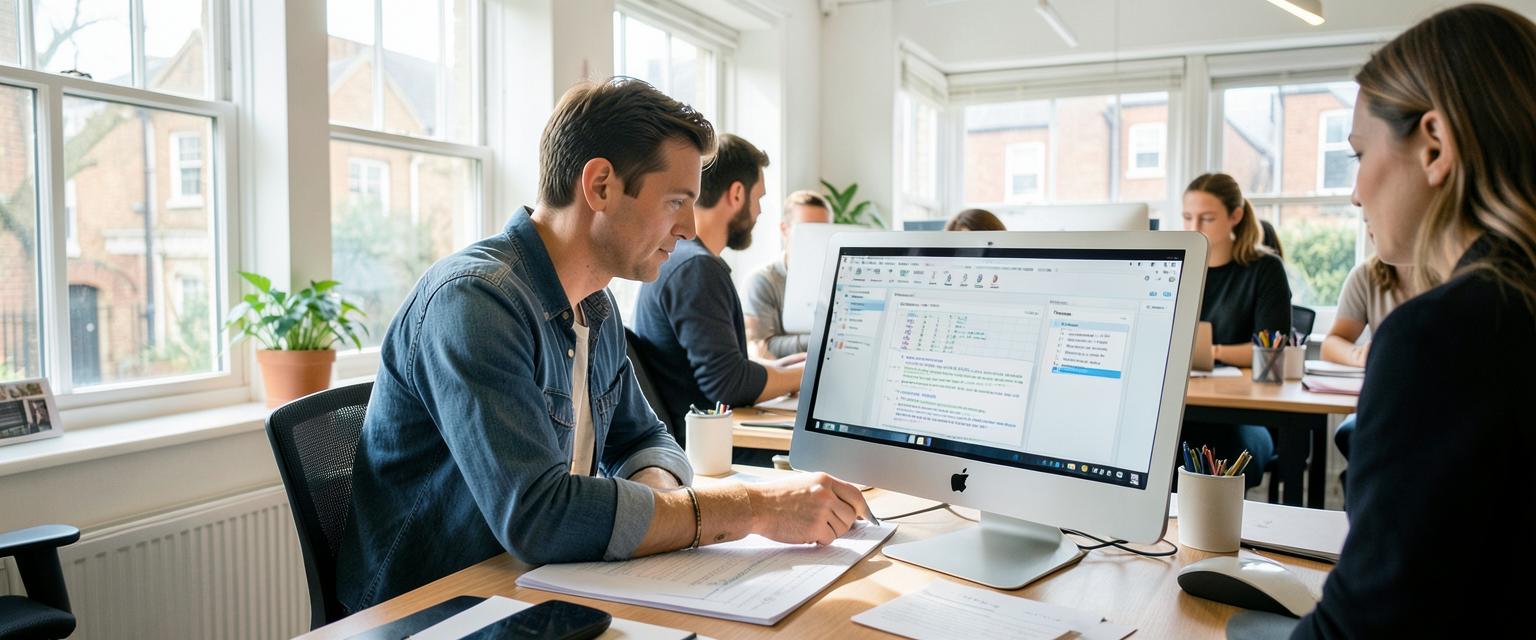
Most business software makes you change how you work to suit the software. FileMaker, built well, does the opposite. We design and build custom databases and apps that mirror the way your business actually operates, whether that's stock control, job management, CRM, or something nobody's tried before. Our developers are based in Bicester, Oxfordshire, but our clients are spread right across the UK. Over 25 years we've learned that the fastest way to a solution nobody likes is to skip the planning stage, so we don't skip it. We under-promise and over-deliver, which is a rarer trait in software development than you'd hope.
Features and benefits
What you get
Custom-built, not off-the-shelf
Your business isn't generic, so your database shouldn't be either. We build around your actual processes.

Cross-platform by design
One solution that runs on Mac, Windows, iPad, iPhone and the web without three separate codebases to maintain.
Rapid, visible progress
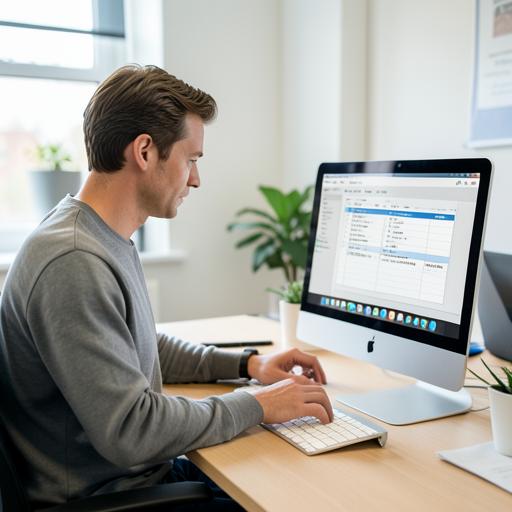
FileMaker lets us build and demonstrate working screens fast, so you're seeing progress in days, not months.
Proper data structure
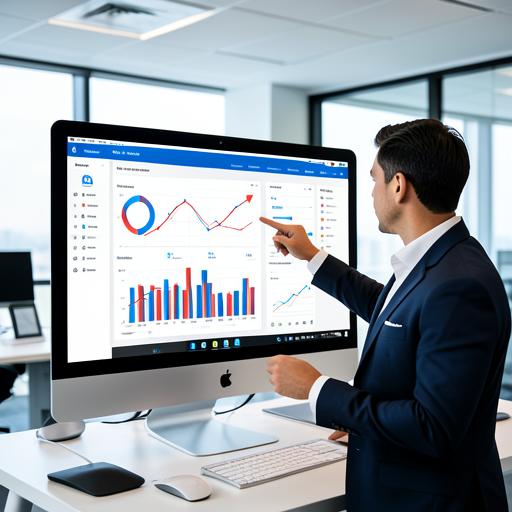
We design the database layer first and the interface second, which is the difference between a solution that lasts and one that doesn't.
Integration-ready
Connects to your existing systems via ODBC, the Data API, or Claris Connect, so FileMaker doesn't sit on its own little island.
Built to be handed over
Documented, sensibly structured, and not reliant on tribal knowledge that walks out the door with one developer.
Expert insight
Why FileMaker still makes sense in 2025
There's a persistent myth that FileMaker is somehow yesterday's technology. It isn't. Claris has kept investing in it, the platform now runs modern web technologies under the bonnet, and it remains one of the fastest ways to get a genuinely custom business system into production without a six-figure development budget.
The problems people associate with FileMaker are almost always problems with how it was built, not the platform itself. A database designed by someone learning on the job, then patched by three different people over a decade, will always be a mess. That's not FileMaker's fault any more than a badly wired house is the electricity board's fault.
Build it properly at the outset, with a sensible data model and someone who actually understands relational design, and you get a system that's quick to develop, easy to adapt, and genuinely pleasant to use on a desktop, tablet or phone.
How we do it
Six steps to implementation
- 01
Discovery
We sit down with the people who'll actually use the system and work out what it needs to do, not what a brochure says it should do.
- 02
Data modelling
We design the underlying structure properly before a single screen gets built, because retrofitting a bad data model is misery for everyone.
- 03
Prototype
You see working screens early, so you can tell us we've got it wrong before we've built the whole thing around the wrong assumption.
- 04
Build
Full development of the solution, layouts, scripts, and business logic, with regular check-ins so there are no surprises.
- 05
Testing
We test with real data and real users, because that's the only testing that actually finds the problems that matter.
- 06
Deployment and training
We roll the solution out, train your team, and make sure someone answers the phone afterwards. That's the part everyone forgets.
25+
Years building FileMaker solutions
100+
Systems delivered
UK-wide
Client coverage
Questions
Frequently asked
How long does a custom FileMaker build take?+
It depends entirely on scope, but Claris FileMaker development is genuinely quick compared with most alternatives, so a focused first version is often ready in weeks rather than months. Further features get added afterwards once the core system is proven in real use. That staged approach also means you're testing with actual data early, which catches problems while they're still cheap to fix. We'll give you a realistic timeline once we understand what the system actually needs to do.
Do you only work with businesses near Oxfordshire?+
No. We're based in Bicester, Oxfordshire, but our FileMaker development and support work covers clients right across the UK, most of it handled remotely without any fuss. Screen sharing and cloud-hosted test copies mean distance rarely gets in the way of a proper build or upgrade. Plenty of long-standing clients have never needed us on site at all. If a visit genuinely helps, we'll make one, but it's the exception rather than the rule.
Can FileMaker replace our spreadsheets?+
Almost certainly, and usually with far less risk of someone overwriting a formula and quietly breaking the whole thing. A proper Claris FileMaker database gives you validation, permissions and a shared source of truth that spreadsheets were never designed to provide. Multiple people can work in the same data at once without emailing versions back and forth. Migrating existing spreadsheet data across is a standard part of the build, not an afterthought.
Will it work on iPads as well as desktops?+
Yes, FileMaker solutions run natively across Mac, Windows, iPad and iPhone from a single build, without maintaining separate codebases for each platform. That's one of the platform's genuine strengths and a big part of why we still recommend it for UK businesses needing staff on the move. Layouts can be tailored so the mobile experience feels purpose-built rather than a shrunk-down desktop screen. We test across whichever devices your team will actually use before anything goes live.
What happens after the project goes live?+
We stick around. Support, tweaks and further development are all part of how we work, not an afterthought bolted on afterwards. That includes everything from small script fixes to planning the next phase of functionality as your business changes. Many of our longest relationships started as a single project and grew into ongoing support because the system kept earning its place. You'll always be talking to someone who already understands your database, not starting from scratch each time.