
CRM / ERP
ERP Software That Joins Up Your Whole Business
Finance, stock, sales and operations in one connected system, built around how your business actually runs.
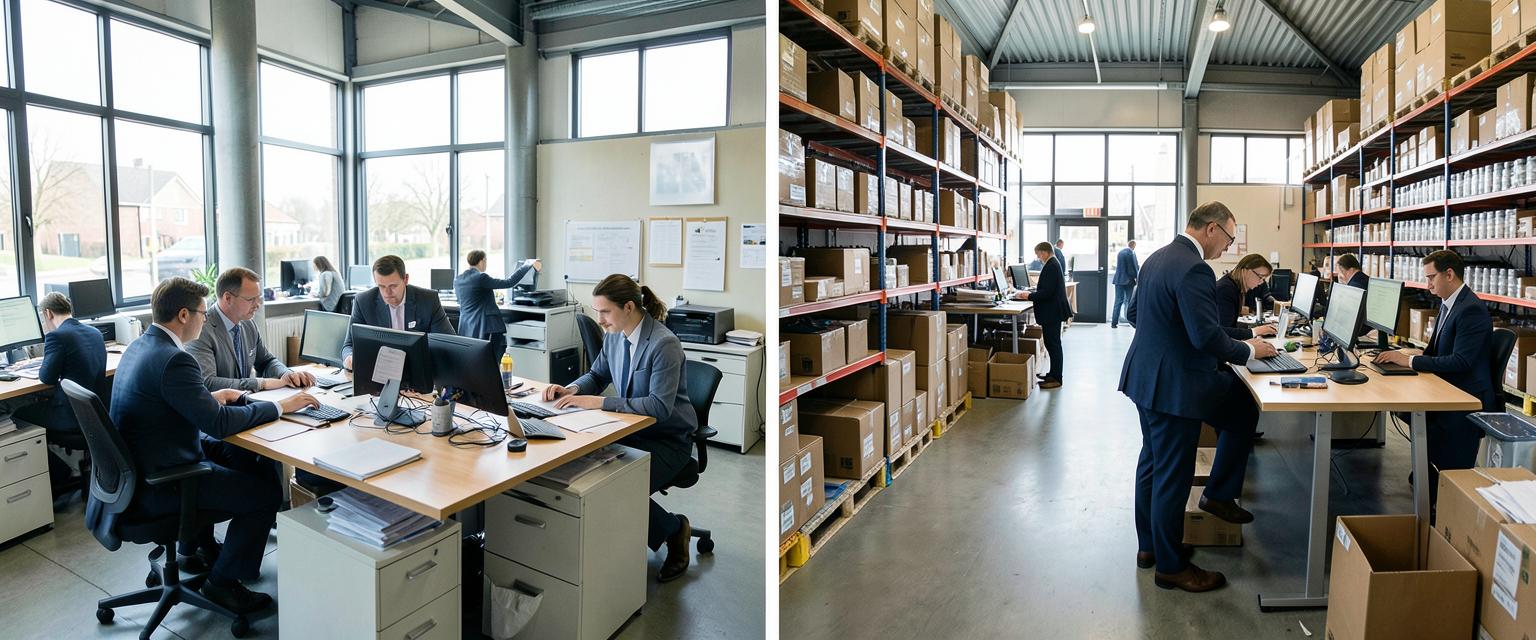
Most businesses run ERP-shaped problems long before they run ERP software — finance in one system, stock in another, sales in a third, all reconciled manually by someone who deserves a medal. We build bespoke ERP systems that connect finance, stock, sales, purchasing and operations into one accurate, real-time picture, tailored to your processes rather than a rigid off-the-shelf module set. It's a bigger job than most software projects, which is exactly why twenty-five years of doing this properly matters.
Features and benefits
What you get

Unified finance and operations data
One accurate set of numbers across finance, stock and sales, not three versions that don't match.
Built around your processes
Configured to your actual workflows, not forced into rigid off-the-shelf modules.
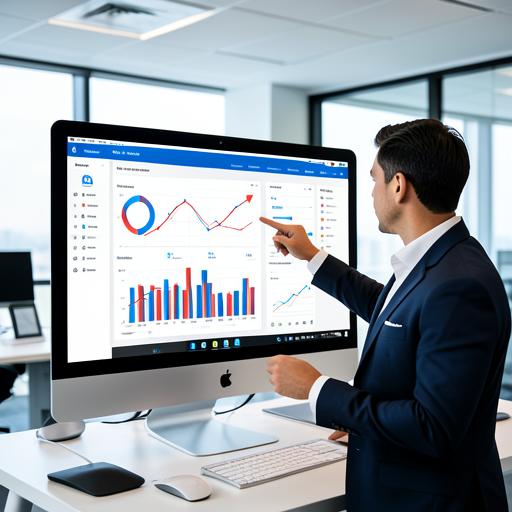
Real-time stock and financial reporting
Management reports built on live data, not a month-end reconciliation exercise.

Purchasing and supplier management
Purchase orders, supplier records and costs managed alongside stock and finance.

Multi-site and multi-department support
One system across every site and department, with appropriate access controls.
Scalable, integrated architecture
Built to grow with your business rather than requiring a rip-and-replace in five years.
Expert insight
Why bespoke ERP beats forcing your business into a module
Off-the-shelf ERP systems come with a fixed idea of how a business should operate, baked into rigid modules that were designed for somebody else's processes. Businesses end up either changing how they work to fit the software, or paying for expensive customisation that the vendor never quite gets right.
A bespoke ERP system starts from your actual processes — how finance, stock, sales and operations genuinely interact in your business — and builds the software around that. It's a bigger, more considered project than buying a licence off a shelf, but the result actually fits, and it keeps fitting as your business changes.
The payoff is one accurate, real-time picture of the business instead of three disconnected systems being manually reconciled by someone who really has better things to do.
How we do it
Six steps to implementation
- 01
Business process discovery
We map finance, stock, sales and operational processes across the whole business.
- 02
Architecture and integration design
A unified data structure designed before any module is built.
- 03
Phased build and configuration
Built and configured in manageable phases, tested against real business data.
- 04
Data migration
Existing finance, stock and customer data migrated across accurately.
- 05
Parallel running and testing
New and old systems run alongside each other until confidence is high.
- 06
Go live and ongoing support
Full go-live support plus continued UK-based development as the business grows.
25+
Years building business software
Multi-department
Businesses connected
UK-wide
Clients supported
Questions
Frequently asked
Can the ERP be built around our specific processes?+
Yes, and that's the core advantage of bespoke ERP over an off-the-shelf package with fixed modules. We map how finance, stock, sales, purchasing and operations genuinely interact in your business before building anything, so the system reflects your real workflow rather than forcing you to adapt to someone else's assumptions. That means fewer manual workarounds and less time spent reconciling numbers between disconnected spreadsheets. It's a bigger undertaking than licensing a generic package, but it's one that actually fits and keeps fitting.
How long does an ERP project typically take?+
It depends heavily on scope and complexity — connecting finance, stock, sales and operations into one accurate system is naturally a bigger job than a single-department tool. We break the project into manageable phases, discovery, architecture, build, migration and parallel testing, and give you a realistic timeline for each rather than an optimistic sales estimate. Businesses running multiple sites or departments should expect a longer, more thorough rollout. You'll get regular visibility of progress throughout, not silence until the invoice arrives.
Can it integrate with our existing CRM or payroll system?+
Yes, ERP systems are built to integrate with your existing CRM, payroll or other business software rather than forcing you to replace everything in one risky move. We design the API and data-flow architecture early, so customer records, staff data and financial figures stay connected and consistent across systems. That approach lets you modernise in phases instead of a disruptive big-bang switch-over. It also protects your existing investment in systems that are already working well.
Will our data be safe during migration?+
Yes, data safety during migration is treated as seriously as the ERP build itself. We run the new and old systems in parallel, checking that finance, stock and customer figures match exactly before anyone relies on the new system alone. Existing records are migrated carefully rather than bulk-dumped across, with validation at every stage to catch discrepancies early. Only once we're confident the numbers genuinely tally do we recommend switching over fully, so you're never left guessing which system to trust.
Can the system grow as our business adds new sites or departments?+
Yes, the architecture is designed from the outset to scale with multi-site and multi-department growth, rather than needing a rebuild the moment you open a second location. Access controls, reporting and data structures are built to accommodate additional sites, teams or product lines as they're added. That's a deliberate contrast to rigid off-the-shelf ERP packages, which often require expensive licence upgrades or clunky workarounds to handle growth. Your ERP should grow alongside your business, not become the thing holding it back.