
AI Automation
Business Process Automation Without the Faff
We map what your team actually does, then quietly remove the bits that shouldn't need a human at all.
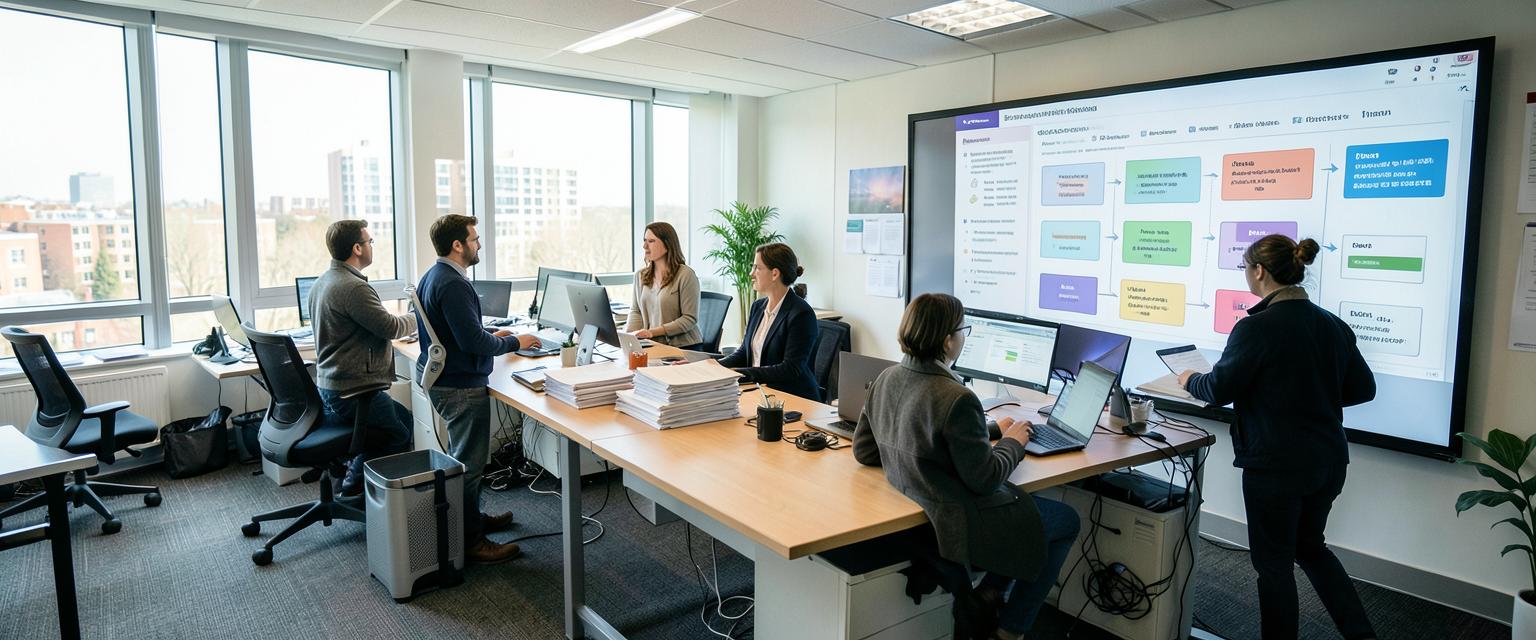
Most process automation projects fail because someone tries to automate a mess instead of fixing it first. We don't do that. We sit with your team, watch how work really moves through the business (not how the org chart says it does), and only then start automating. The result is fewer spreadsheets held together by hope, fewer copy-paste errors, and staff who spend their day on work that needs a brain rather than a keyboard. Based in Bicester, Oxfordshire, we've been untangling business processes for over 25 years and we're not precious about the tools — just the outcome.
Features and benefits
What you get
Workflow mapping
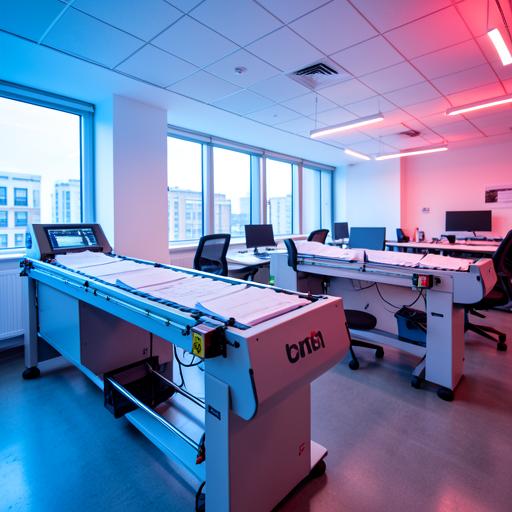
We document how work actually happens before touching a single system, so automation fixes reality rather than the org chart.

Manual task elimination
Data entry, chasing approvals, re-keying the same numbers three times — the tedious jobs go first.

Error reduction
Automated handoffs remove the copy-paste mistakes that cost far more to fix than to prevent.

System integration
Your automation talks to the systems you already run, rather than becoming another island nobody trusts.

Audit trail built in
Every automated step is logged, so when someone asks 'what happened here', you have an answer in seconds.
Ongoing tuning
Processes drift over time; we review and adjust the automation so it keeps matching how the business actually works.
Expert insight
Why most automation projects underperform
The usual mistake is automating a broken process and being surprised when it's still broken, just faster. Speed doesn't fix a process with three unnecessary approval steps — it just gets you to the wrong answer more quickly.
The second mistake is treating automation as a one-off project. Processes change as the business changes, and automation that isn't reviewed becomes the new bit of legacy nonsense everyone's scared to touch.
We build automation that's documented, owned, and reviewed on a schedule, so it keeps earning its keep long after the project team has moved on to the next thing.
How we do it
Six steps to implementation
- 01
Process discovery
We sit with the people doing the work and map what actually happens, warts and all.
- 02
Opportunity assessment
We flag which steps are worth automating and which just need a better process.
- 03
Design and prototype
A working prototype gets built and tested against real cases, not a tidy demo scenario.
- 04
Integration
The automation connects to your existing systems rather than sitting off to one side.
- 05
Rollout and training
Staff are shown exactly what changes for them, and why, before go-live.
- 06
Review and refine
We check back in, measure the impact, and adjust anything that isn't pulling its weight.
25+
Years building business systems
500+
Manual hours saved per year, typical client
UK-wide
Delivery from our Oxfordshire base
Questions
Frequently asked
Will this replace my staff?+
No, and that's not the point of business process automation. It removes the repetitive, low-value parts of a job — re-keying data, chasing approvals, copy-pasting between systems — so people can spend their time on work that actually needs judgement. In our experience the staff doing that tedious work are usually the first to welcome automation, since nobody enjoys being a human photocopier. If you're worried about morale, involve the team early and let them help identify what should go.
How long does a typical automation project take?+
It depends on how tangled the process is and how many systems it touches, but most business process automation projects move from initial discovery to a working solution within a matter of weeks rather than months. We start with a focused pilot on one process so you see real results quickly, then expand from there. Complex, multi-department workflows naturally take longer to map and test properly, and we'll give you a realistic timeline once we've seen how the work actually flows.
Do you work with our existing software?+
Usually, yes. Business process automation done properly integrates with the systems you already run rather than insisting you rip everything out and start again, which is expensive, disruptive, and rarely necessary. We connect via APIs where they exist and build sensible workarounds where they don't, so your CRM, finance software and everything else keeps talking to each other. If a genuine gap exists in your current toolset, we'll flag it honestly rather than automating around a problem.
What if the process changes after you've automated it?+
Processes evolve as businesses grow, add staff, or change suppliers, so we build review points into every automation project from the outset rather than treating it as a one-off job. Automation that can't be adjusted as circumstances change isn't automation, it's just a liability waiting to cause a headache. We revisit the setup on an agreed schedule, check it still matches how the business actually works, and tune it accordingly so it keeps earning its keep.
Can you automate something small to start with?+
Absolutely, and we'd actively recommend it. A small, well-chosen pilot — one process, clearly scoped — proves the approach, builds confidence with the team, and gives us real data before you commit budget to anything larger. It also lets us learn how your business actually operates before tackling the bigger, more interconnected processes. Most successful automation programmes we've run in Oxfordshire and beyond started exactly this way, with one small win leading naturally to the next.